Source Cotton Fabric Hip Bands for Glutes, Yoga, and Pilates
Find 30 cotton fabric hip bands from Chinese manufacturers. Compare materials like polyester-cotton blends and latex, sizes, and resistance levels for fitness training. Explore various colors, packaging options, and customization features available for bulk orders. Evaluate single package sizes and gross weights to ensure suitability for your specific logistics needs.
Key considerations
Products List


Comprehensive Sourcing Guide
Cotton Fabric Hip Bands Sourcing Guide
Sourcing cotton fabric hip bands requires distinguishing between pure cotton blends and hybrid constructions that integrate latex threads for elasticity. The observed market data indicates that most functional products combine polyester cotton with latex threads or heavy-duty cotton with elastic to ensure the necessary resistance for glute activation. Buyers must verify that the fabric composition supports the intended workout intensity, as pure cotton lacks the snap-back required for effective resistance training.
Procurement decisions should also account for the specific loop configuration and size variations observed in listings, which range from 66cm to 98cm in perimeter. These dimensional differences directly impact the resistance level and the target muscle group engagement for different user body types. A thorough review of the product specifications is essential to ensure the selected bands match the specific training protocols of your target demographic, whether for home exercise or professional studio use.
Product Scope and Observed Listing Signals
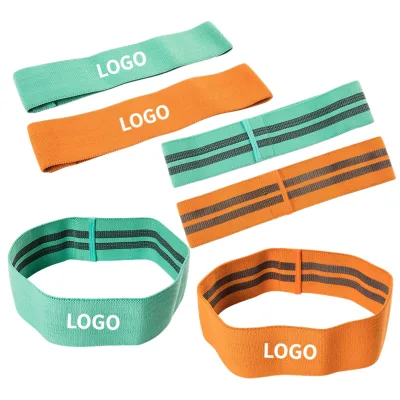
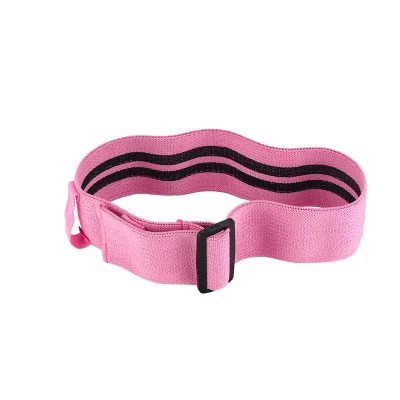
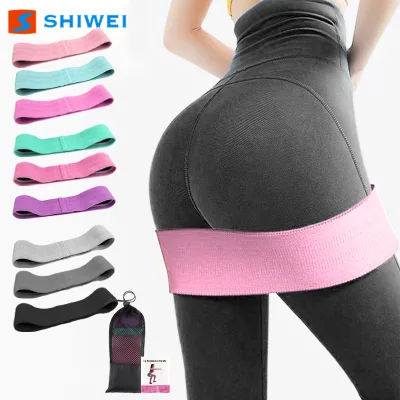
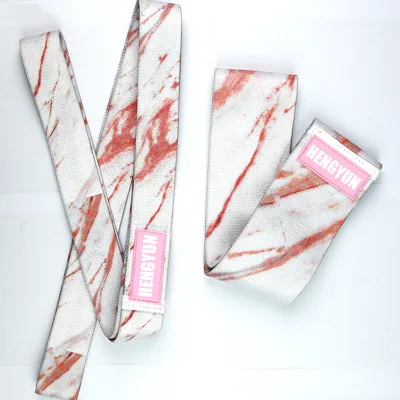
The current market for cotton fabric hip bands features a diverse range of product attributes, including loop types, woven logos, and rubber patches. Listings frequently highlight customization options for colors such as pink, purple, cyan, and green, alongside the availability of custom branding. This flexibility allows buyers to tailor products to specific brand identities, though the core functionality remains centered on hip fitness and stretch training applications.
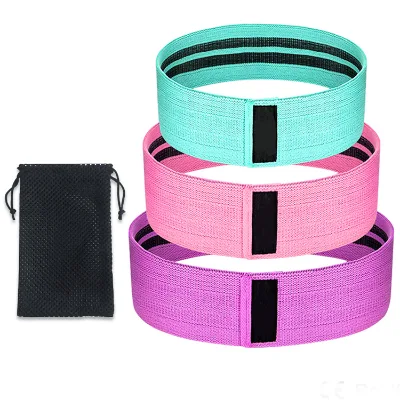
Observations of supply chain signals reveal that suppliers often offer single items in OPP bags or sets in net bags, with varying package dimensions. The presence of OEM capabilities suggests that many manufacturers are prepared to handle private label orders, yet the minimum order quantities can vary significantly from single units to 1000 pieces. Buyers need to carefully evaluate these commercial terms to align inventory costs with their projected sales volume and storage capabilities.
Technical Specifications to Verify
Verifying the material composition is the primary technical step, as products are described using terms like "polyester cotton plus latex thread" or "heavy duty cotton/elastic." These descriptions indicate a hybrid approach where the fabric provides comfort and durability while the latex component delivers the necessary tension. It is critical to confirm the exact ratio of materials to ensure the band does not lose elasticity over time or cause skin irritation during repetitive stretching exercises.
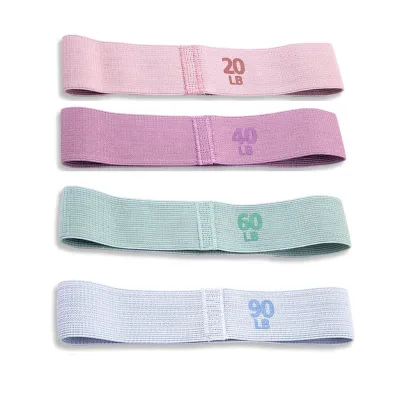
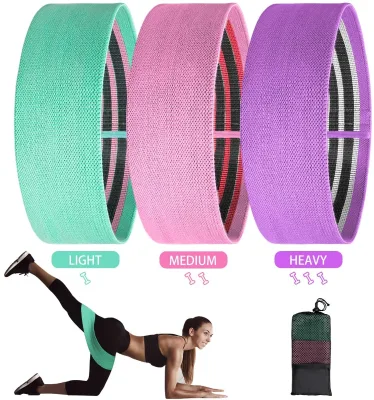
Dimensional accuracy is another vital specification, with observed sizes ranging from 66cm to 98cm in perimeter and widths varying between 5.7cm and 8cm. These measurements determine the resistance profile, with larger perimeters generally offering lower resistance and smaller perimeters providing higher tension. Buyers should request detailed size charts to ensure the selected models cover the full spectrum of strength levels, typically categorized as weak, medium, and strong, to accommodate all user fitness levels.
Compliance and Safety Documentation
While specific certification documents are not explicitly listed in the provided product data, buyers must ensure that the latex and cotton materials comply with relevant safety standards for textile products. The presence of latex threads necessitates verification that the final product is free from harmful substances that could cause allergic reactions or skin sensitivities. Requesting material safety data sheets or compliance certificates for the raw materials is a prudent step to mitigate liability and ensure consumer safety.
Documentation regarding the manufacturing process should also be reviewed to confirm that the production facilities adhere to quality management systems. Although specific standards are not cited in the listings, the expectation for industrial-grade sports equipment implies adherence to general safety protocols for fitness accessories. Buyers should explicitly ask suppliers for proof of compliance with international textile safety regulations to validate the quality and safety of the cotton fabric and latex components used in the bands.
Cost Drivers and Commercial Terms
The cost of cotton fabric hip bands is influenced by the complexity of the material blend and the customization of branding elements like woven logos or rubber patches. Products featuring custom colors and specific packaging, such as net bags versus OPP bags, often carry different price points due to the additional processing steps involved. Understanding these variables helps buyers negotiate effectively and anticipate the total landed cost, including any fees for logo application or specialized packaging requirements.
Commercial terms such as minimum order quantities and supply ability are significant factors in the procurement strategy, with observed MOQs ranging from 1 to 1000 pieces. Some suppliers offer high daily supply capacities, such as 5000 pieces per day, which can support large-scale orders, while others may have stricter minimums. Buyers must balance these constraints with their cash flow and inventory turnover goals to select a supplier that can meet demand without overextending financial resources.
Supplier Qualification and Quality Control
Supplier qualification should focus on verifying the consistency of material sourcing and the reliability of their manufacturing processes across different production batches. Given that origins are listed in various Chinese provinces like Fujian, Jiangsu, and Shandong, buyers should assess the logistical capabilities of each supplier to ensure timely delivery and consistent quality. Establishing a clear communication channel for quality control is essential to address any discrepancies in material thickness or color consistency before mass production begins.
Quality control protocols must include rigorous testing of the band's elasticity and durability to prevent premature failure during use. Since the products are designed for resistance training, the integrity of the latex thread integration with the cotton fabric is paramount. Buyers should implement pre-shipment inspections to verify that the finished goods meet the specified weight, size, and strength requirements, ensuring that every unit performs reliably for the end consumer.
Long-Term Procurement Checks
Establishing a long-term partnership requires regular audits of the supplier's ability to maintain consistent product quality and adhere to agreed-upon specifications. As the market for fitness accessories evolves, suppliers must demonstrate flexibility in adapting to new design trends or material innovations while maintaining the core functionality of the hip bands. Continuous engagement with the supplier helps in identifying potential supply chain disruptions early and ensures that the product line remains competitive.
Buyers should also monitor the supplier's performance regarding lead times and order fulfillment accuracy over multiple cycles. Consistent delivery schedules are crucial for maintaining inventory levels and meeting customer demand without interruption. By tracking key performance indicators such as defect rates and on-time delivery percentages, buyers can make data-driven decisions to optimize their supply chain and ensure a stable, high-quality source for cotton fabric hip bands.
FAQs
What materials are used in cotton fabric hip bands?
Cotton fabric hip bands typically combine polyester cotton with latex threads for elasticity. Some variations use heavy-duty cotton and elastic blends. These materials ensure durability and comfort during workouts. The fabric provides a secure grip on the skin, preventing slippage. Latex content varies by strength level, offering options for different fitness needs.
How many resistance levels are available for hip bands?
Hip bands generally come in weak, medium, and strong resistance levels. These levels cater to beginners through advanced users. The resistance is determined by the latex content and fabric tension. Buyers can select specific strengths based on their training intensity. This variety allows for progressive overload in booty and hip exercises.
What sizes are offered for fabric resistance booty bands?
Standard sizes often include perimeters of 66cm, 76cm, and 86cm. Widths typically measure around 5.7cm to 8cm. These dimensions accommodate various body types and exercise requirements. Some products offer specific size combinations like 98cm perimeters. Buyers should check single package dimensions to ensure proper fit and storage.
Can buyers customize the logo on hip fitness bands?
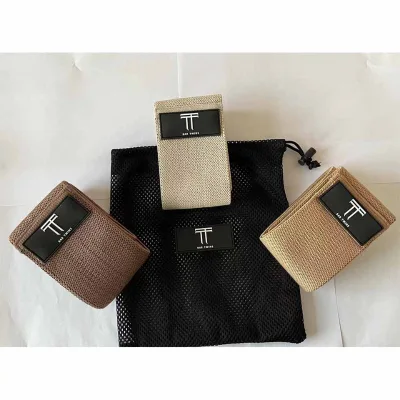
Yes, customized logos are available for many hip bands. Options include woven labels or rubber patches for branding. Buyers can also choose existing colors or request custom shades. This customization supports private labeling and brand identity. Minimum order quantities may apply for personalized logo printing services.
What is the typical packaging for cotton hip bands?
Hip bands are commonly packed in OPP bags or net bags. Each set usually contains one or more bands depending on the product. Single package sizes vary, often around 10x10x5 cm or 15x8x3 cm. This compact packaging facilitates easy storage and shipping. Bulk orders may use different packing methods for efficiency.
Where are cotton fabric hip bands typically manufactured?
These products are primarily manufactured in China, specifically in Fujian, Jiangsu, and Shandong provinces. These regions have established textile and fitness equipment industries. Buyers can source from factories in these locations for competitive pricing. The origin influences lead times and shipping logistics for international orders.